
The Unknown Benefits of Protein: A Standard Approach
- WELLNESS COMMUNITY

- Feb 2, 2025
- 4 min read
Protein is often seen as a vital part of nutrition, yet many people do not realize its wide-ranging benefits. While it is commonly associated with muscle building and repair, protein is crucial for everyone, impacting various aspects of our health. This blog post highlights some of the lesser-known benefits of protein and explains why it should be a staple in everyone's diet.
Understanding Protein
To appreciate the benefits of protein, it's important to understand what it is and its roles in the body. Proteins are made up of amino acids, which serve as the building blocks for muscles, skin, enzymes, and hormones. Of the 20 different amino acids, nine are essential, meaning our bodies cannot produce them, and we must obtain them through food.
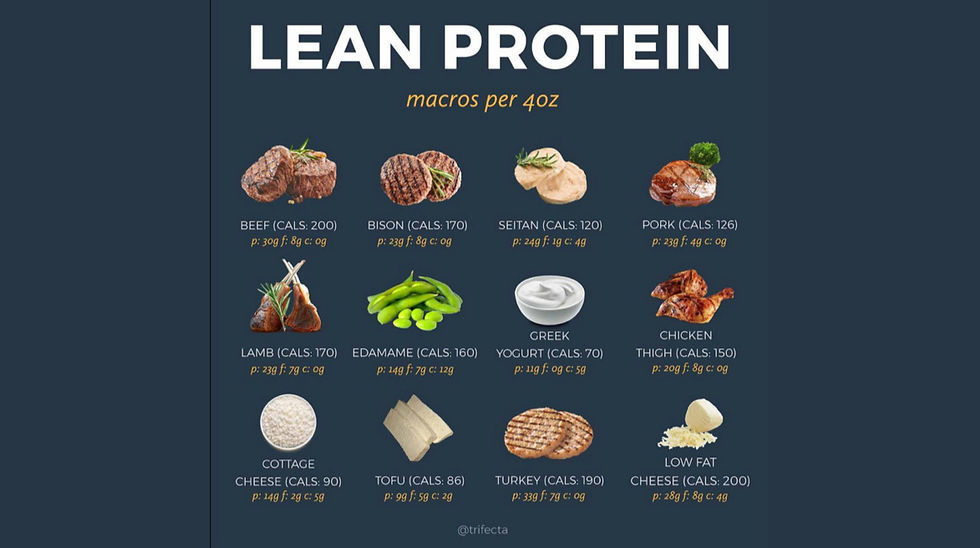
Good sources of complete proteins include animal foods like chicken, fish, eggs, and dairy. For example, one serving of chicken breast (about 3.5 ounces) provides around 30 grams of complete protein, encompassing all essential amino acids. Meanwhile, plant-based foods, such as beans and lentils, offer protein but may lack one or more essential amino acids. However, by combining these foods—like rice and beans—you can create a meal that provides all the necessary amino acids.
Supports Weight Management
A significant benefit of protein is its impact on weight management. Research reveals that a high-protein diet can result in a 50% increase in feelings of fullness compared to a low-protein diet. When you eat protein, it takes longer to digest, helping you feel satisfied for a longer time.
Moreover, protein can boost your metabolism. Your body uses around 20-30% of the calories from protein just to digest it, while it only uses about 5-10% for carbohydrates. This means that by increasing your protein intake, you can enhance the calories burned, which is crucial for weight loss or maintenance.
Aids Muscle Growth and Repair
The benefits of protein for muscle growth and repair are widely recognized, yet everyone can benefit, not just athletes. As we age, we naturally lose muscle mass, increasing the risk of falls and mobility issues. Adequate protein consumption can help slow this decline. For example, seniors who consume an additional 10 grams of protein per day may preserve muscle mass better compared to those who do not adjust their intake.
Additionally, for anyone recovering from surgery or illness, protein becomes critical. Studies suggest that increasing protein intake during recovery can improve healing times by up to 25%, demonstrating its importance for recovery and muscle preservation throughout life.
Enhances Brain Function
When considering nutrition for brain health, protein might not be the first nutrient that comes to mind. However, protein is essential for the production of neurotransmitters—chemicals responsible for sending messages in the brain. For instance, tryptophan, an amino acid in protein-rich foods like turkey, helps make serotonin, which regulates mood and sleep. This highlights that not only does protein support physical health, but it also plays a role in emotional well-being.
People who consume more protein often report improved focus and mood. Some studies show that protein-rich diets can improve cognitive performance by about 20%, suggesting a strong link between adequate protein intake and mental clarity.
Supports Immune Health
Protein is key to maintaining a strong immune system. Antibodies, which protect us from infections, are made up of proteins. Without enough protein in your diet, your immune response can weaken, making you more susceptible to illnesses. Ensuring that you consume around 0.8 grams of protein per kilogram of body weight—roughly 56 grams for men and 46 grams for women—can significantly enhance your body's defenses.
During times of heightened illness, such as flu season, ensuring that you meet your protein requirements can fortify your immune system, helping your body fight off infections more effectively.
Promotes Healthy Skin, Hair, and Nails
Protein also plays a crucial role in maintaining healthy skin, hair, and nails. Structural proteins like collagen and keratin contribute to skin elasticity and strength. According to studies, individuals who increase their protein intake can notice improvements in skin moisture levels and elasticity within just four weeks.
For hair and nails, which are primarily made up of proteins, adequate dietary protein is vital. Insufficient protein can lead to brittle nails and hair loss. Many people report thicker hair and stronger nails after increasing their protein consumption, showcasing its importance in daily nutrition.
Regulates Hormonal Functions
Lastly, proteins are essential in hormone production and regulation. Hormones control many bodily functions, including metabolism and mood. For example, insulin—a critical hormone for regulating blood sugar—is protein-based. If protein intake is low, it may lead to hormonal imbalances, which can affect your energy levels and overall metabolism.
For those looking to maintain balanced energy levels and metabolic function, including sufficient protein in their diets is key. Eating a protein-rich breakfast, for instance, can help maintain steady blood sugar levels throughout the day.
Embracing Protein in Your Diet
The benefits of protein exceed muscle gain and repair. From assisting with weight control to improving brain function and bolstering your immune system, protein is an essential component of our diets. By recognizing its importance and ensuring you have enough protein in various forms—animal and plant-based—you can enjoy its many health advantages.
Whether you are an athlete, busy professional, or just aiming for a healthier lifestyle, incorporating enough protein should be part of your nutrition approach. By making conscious food choices, you can boost your overall health and unlock the often-overlooked benefits of protein in your life.


Comments